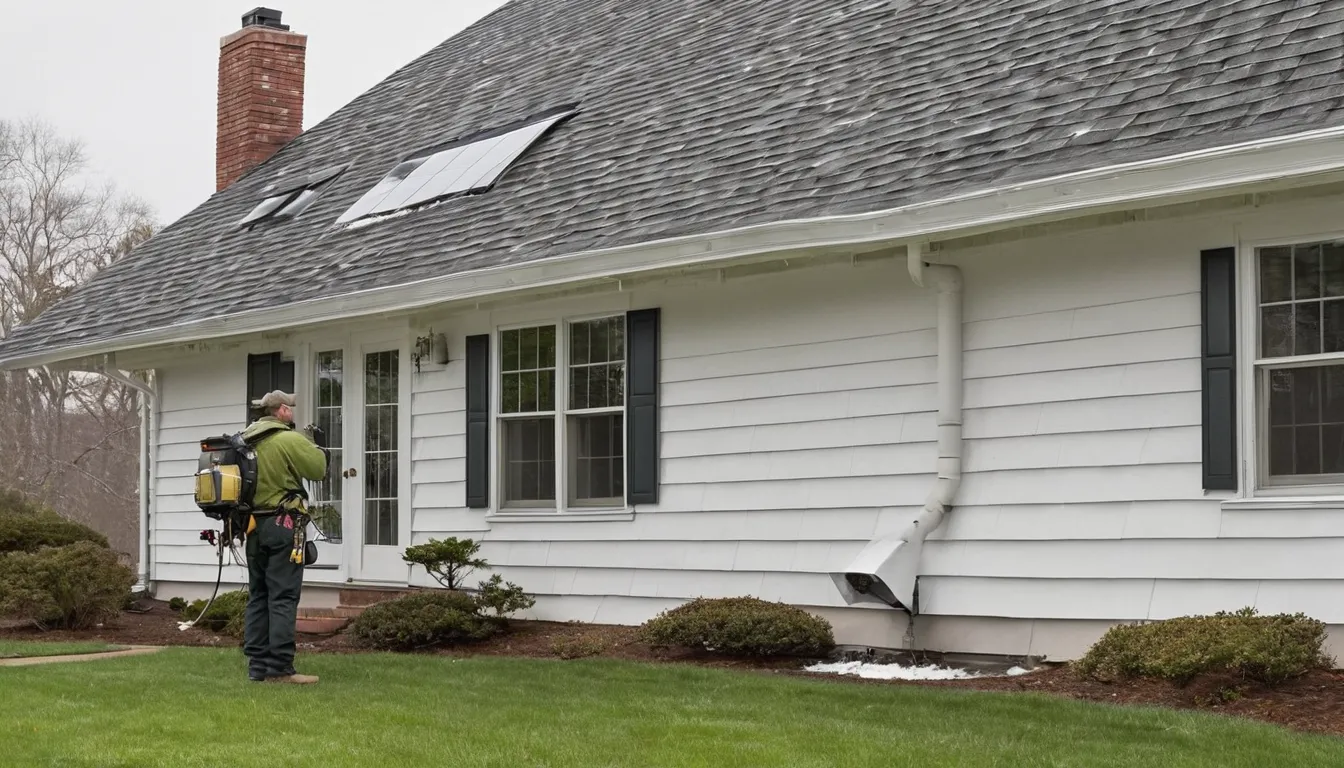
Mice in the pantry, squirrels in the attic, a raccoon on the roof. Animals look for warmth and food, and many homes in the Tinton Falls area offer both. Older houses with stone foundations, full basements and small gaps give them easy ways in. This page explains what to do and what to avoid until help arrives.
Globalmexico Pest Control is a referral service. It does not do the work. It connects you with independent providers in its network who handle rodent and wildlife removal, seal entry points and advise on cleanup. Ask about humane methods, local rules and a plan that fits around your family's schedule. Then keep the animals from coming back.
Noises in the Attic or Walls? Safe Steps First
Scratching at night. Thumping over the ceiling. A sharp, musty smell near a wall. Something has moved in. Stay calm and start with safe steps.
If you searched for an exterminator near me, you are in the right place. This page covers rodent and wildlife removal. Globalmexico Pest Control is a referral service, and independent providers in our network do the work.
Do This Right Away
- Keep children and pets out of the attic, crawl space or basement corner.
- Write down where and when you hear the sounds.
- Take photos of droppings, chew marks or holes. Do not touch them.
- Close the door to the affected room if you can.
- Wash your hands well if you handled anything near the area.
Do Not Do This
- Do not seal a hole while animals may be inside. They can get trapped or chew a new way out.
- Do not corner or grab a wild animal. Bites and scratches can spread illness.
- Do not sweep or vacuum dry droppings. The dust can carry germs.
- Do not scatter poison and walk away. Pets, kids and other wildlife can be harmed.
- Do not move a nest of young animals on your own.
Why Waiting Makes It Harder
Mice can slip through a gap about the size of a dime. Rats gnaw pipes and wiring. Squirrels chew wood and cables, which can raise fire risk. Urine and droppings soak into insulation and leave odors that linger.
Spring adds a twist. Many animals nest then, and a mother with young may fight to protect them. Cold winters push animals indoors, so a small problem in fall can grow by thaw season. Many providers can respond quickly, so ask about availability early.
Signs to Watch For
Inside the Home
- Scratching, running or thumping, often at night
- Droppings along walls, in drawers or near pet food
- Gnawed boxes, wires or food packaging
- Greasy rub marks along baseboards
- Stains on a ceiling or a strong musty smell
Outside the Home
- Holes near vents, rooflines or the foundation
- Loose vent covers or torn soffits
- Burrows beside stone or block walls
- Tracks in snow or soft soil
- A pet that keeps staring at one wall
Animals Providers Commonly Handle
Mice and rats are the most common visitors. Squirrels, raccoons, bats, chipmunks, opossums and skunks follow. Birds nesting in vents also come up.
Each animal needs its own plan. A raccoon in a chimney is not a mouse in the pantry. A good provider identifies the animal first, then picks the method.
How Removal Works Around Your Schedule
Busy week? Ask for visit windows that fit your week. Most steps happen outside or in the attic, so daily life can carry on.
Inspection
The provider looks for the animal, the entry points and the damage. Expect questions about when you hear noises.
Removal
The provider uses traps, one-way doors or other methods suited to the animal. Some jobs need a few visits.
Sealing and Cleanup
Once the animals are gone, the provider closes the gaps. Cleanup of droppings and soiled insulation may be a separate step.
Humane Handling and Local Rules
Rules differ by state and town. Some animals, including many bat species, are protected, and some seasons limit when they can be removed. Moving certain animals may also be restricted.
Ask the provider how they follow local rules and handle young animals. Humane methods protect the animals and reduce repeat visits.
Choosing a Removal Provider
A few plain questions help:
- Is the provider licensed where required for wildlife work?
- Will you get a written quote that lists the steps?
- How will they seal the entry points?
- What happens if the animals return?
- Do they explain cleanup and what it covers?
Do not hire anyone who only offers to set traps and never finds the entry point.
Fix It, Then Prevent
Removal solves today's problem. Sealing and upkeep stop the next one. Some policies may cover sudden damage, so check your policy. Providers can often help document damage for a claim.
Upkeep for Older Homes
- Check stone and block foundations for new cracks after winter thaws.
- Cover vents and chimneys with sturdy screens.
- Trim branches that touch the roof.
- Store food and pet food in sealed containers.
- Keep firewood and trash bins away from the house.
A Simple Yearly Routine
Walk the outside of your home each fall and spring. Look for gaps, torn screens and fresh holes. Small repairs now keep animals out later.
What's Included
Inspection and Entry Points
The provider finds the animal, the signs of activity and every gap it uses to get inside.
Humane Removal
Methods are matched to the animal and follow local rules, including protected species.
Sealing Repairs
Holes, vents and gaps get closed so animals have a harder time returning.
Cleanup Advice
Guidance on droppings, soiled insulation and odors, plus next steps for repairs.
Typical Rodent and Wildlife Removal Costs
Prices vary by animal, home size, access and how many visits are needed. These are typical U.S. ranges only. Always ask for a written quote that lists each step before work starts.
| Item | Typical range | Notes |
|---|---|---|
| Inspection | $75 – $300 | Some providers apply it toward the job |
| Mouse treatment | $150 – $600 | Often one or more follow-up visits |
| Rat treatment | $300 – $1,000 | Burrows or sewer access add cost |
| Squirrel or raccoon removal | $300 – $1,200 | Young animals can add steps |
| Bat exclusion | $500 – $4,000 | Seasonal limits and building size matter |
| Entry-point sealing and repairs | $200 – $2,000 | Depends on gaps, height and materials |
How It Works
Note What You Notice
Write down the sounds, times, droppings and any holes. Keep kids and pets away from the area.
Call or Request Estimate
Request a callback to check provider availability, or use the request form to ask for an estimate.
Review the Written Plan
Check the animal, method, number of visits and the sealing work before you agree.
Seal, Clean, and Maintain
After removal, repair the entry points, handle cleanup and follow a simple upkeep routine.
Why Call Globalmexico Pest Control
Safe Steps Come First
Clear do and do not advice helps you avoid bites, mess and mistakes.
Independent Providers
Providers in our network do the work, so you can ask about methods and rules.
Low Disruption
Ask for visit windows that fit your week and keep the home running.
Prevention Included
A good plan closes the entry points and adds simple upkeep so animals stay out.
Other Services
Need rodent & wildlife removal in Tinton Falls?
Tell us what you are seeing and when you are home to meet someone. We pass your request to a local provider in our network. Request an estimate with no obligation.
No obligationRodent & Wildlife Removal FAQ
What should I do if I hear animals in my attic?
Keep people and pets away, note the time and place of the sounds, and take photos from a distance. Do not block holes or try to catch the animal. Contact a local removal provider for an inspection.
Is it safe to clean up mouse or rat droppings myself?
Do not sweep or vacuum dry droppings, because dust can carry germs. Wear gloves and a mask, dampen the area with disinfectant, and wipe it up. For large amounts or attic insulation, ask a provider about cleanup.
Does wildlife removal include sealing the entry points?
Often it can, but it varies by provider. Removing animals without closing the gaps invites them back. Ask the provider for a written quote that lists sealing, cleanup and any follow-up visits.
Tell us what happened
Tell us what you are seeing and when you are home to meet someone. We pass your request to a local provider in our network. Request an estimate with no obligation.
No obligation